 EN
EN
 ES
ES
 PT
PT



Miami has become one of the most-moved-to cities in the United States, and for reasons that go well beyond beaches and palm trees. Florida's lack of a state income tax, the corporate migration into Brickell, the wealth concentration that's reshaped South Florida over the past decade, and a year-round outdoor lifestyle have made Miami the destination of choice for relocating professionals, retirees, families, and international buyers alike.
But Miami is also a city that rewards preparation. The costs are real. The climate has nuances most newcomers underestimate. The neighborhoods are dramatically different from one another, and choosing the wrong one for your lifestyle can produce buyer's remorse within months. This guide is built to give you the practical picture, not the brochure version, of what relocating to Miami actually involves in 2026.
Why People are Moving to Miami in 2026
Three forces are driving most of the inbound migration into South Florida.
- No State Income Tax. Florida remains one of nine U.S. states with no state income tax, which is the single biggest financial reason high earners relocate from New York, California, Illinois, and New Jersey. For a household earning $500,000, the tax differential alone can exceed $40,000--$60,000 per year compared to high-tax states. Over a decade, that compounds into meaningful capital.
- The Corporate Migration Citadel relocated its global headquarters from Chicago to Miami in 2022. Palantir announced its headquarters move to Miami in 2026. Goldman Sachs, Wells Fargo, Blackstone, Thoma Bravo, and Banco Santander have expanded their Miami footprints significantly. Brickell is now openly referred to as "Wall Street South." Miami-Dade recorded the fastest job growth among the ten largest U.S. counties at the close of 2024, with weekly wages climbing sharply in financial activities (+11.9%) and professional and business services (+8.9%).
- Lifestyle & Climate. Year-round warm weather, direct ocean access, a globally connected airport, world-class restaurants, and an unmistakably international culture remain Miami's structural draw. For families, the outdoor lifestyle is genuinely 365-day. For retirees and remote workers, the appeal of trading winter for January temperatures in the 70s is not a small thing.
Layered onto all of this is the long-term real estate story: Miami-Dade homeowners who purchased a single-family home 15 years ago have a median equity position of $560,790, nearly double the national figure of $300,504.
The Cost of Living: What to Actually Budget For
Miami is no longer a budget city. The cost of living is meaningfully higher than most newcomers expect, though still lower than New York, San Francisco, or Boston in many categories.
A realistic budget framework for an established professional or family relocating to a desirable neighborhood:

Housing
Median single-family home prices in Miami-Dade reached $680,000 as of May 2026, with desirable neighborhoods (Coral Gables, Pinecrest, Key Biscayne, single-family Miami Beach) running $1.5M--$5M+. Median condo prices sit around $415,000, with luxury condos in Brickell, Edgewater, and the Beach often $800K--$3M+. Rentals in central neighborhoods commonly run $3,500--$7,000+ per month for a quality 2-bedroom.
Property Insurance
This is where most newcomers are shocked. Florida insurance costs have risen significantly in recent years, particularly for coastal properties and older condo buildings. Budget $4,000--$15,000+ per year for homeowner's insurance depending on the property and considerably more for waterfront.
Utilities
Year-round air conditioning makes summer electricity bills notably higher than newcomers expect, often $300--$600+ per month for a typical home in July through September.
HOA Fees
Miami condos frequently carry HOA fees of $800--$3,000+ per month, depending on the building's age, size, and amenities. Post-Surfside reserve requirements have pushed many HOA fees up significantly.
Groceries, Dining, & Discretionary Spending
Roughly comparable to other major U.S. coastal metros, meaningfully above Midwest baselines.
The offset, for many, is the absence of state income tax. For households relocating from California, New York, or Illinois, that single factor often more than balances the higher housing and insurance costs.
Choosing Where to Live: A Neighborhood Guide
Miami is not one city. It's a constellation of distinct neighborhoods, each with its own character, price point, and best-fit resident. Picking the right one matters more than picking the right house.
- Brickell Miami's financial center and the heart of "Wall Street South." Dense, walkable, condo-driven, urban energy. Ideal for finance professionals, young executives, and couples without children. Convenient to downtown and the airport.
- Edgewater & Midtown Just north of downtown, increasingly popular with younger professionals and creatives. Strong waterfront condo inventory, walkable to Wynwood and the Design District, with more accessible entry points than Brickell.
- Coconut Grove Lush, leafy, marina-driven, with a distinct village feel. Strong restaurants and a more relaxed pace. A mix of single-family and condo housing. Family-friendly with excellent private school access.
- Coral Gables Historic, prestigious, tree-lined, with one of the best concentrations of top public schools in Miami-Dade. The default choice for relocating families with school-age children and professional incomes. Single-family heavy. Price range generally $1M--$10M+.
- Pinecrest and Palmetto Bay Suburban, family-focused, large lots, top-rated public schools. Quieter, with longer commutes to Brickell or the Beach but excellent for raising children.
- Key Biscayne Island living, exclusive, expensive, with a beach-town pace and top-rated public schools. Limited inventory. A premium for the lifestyle.
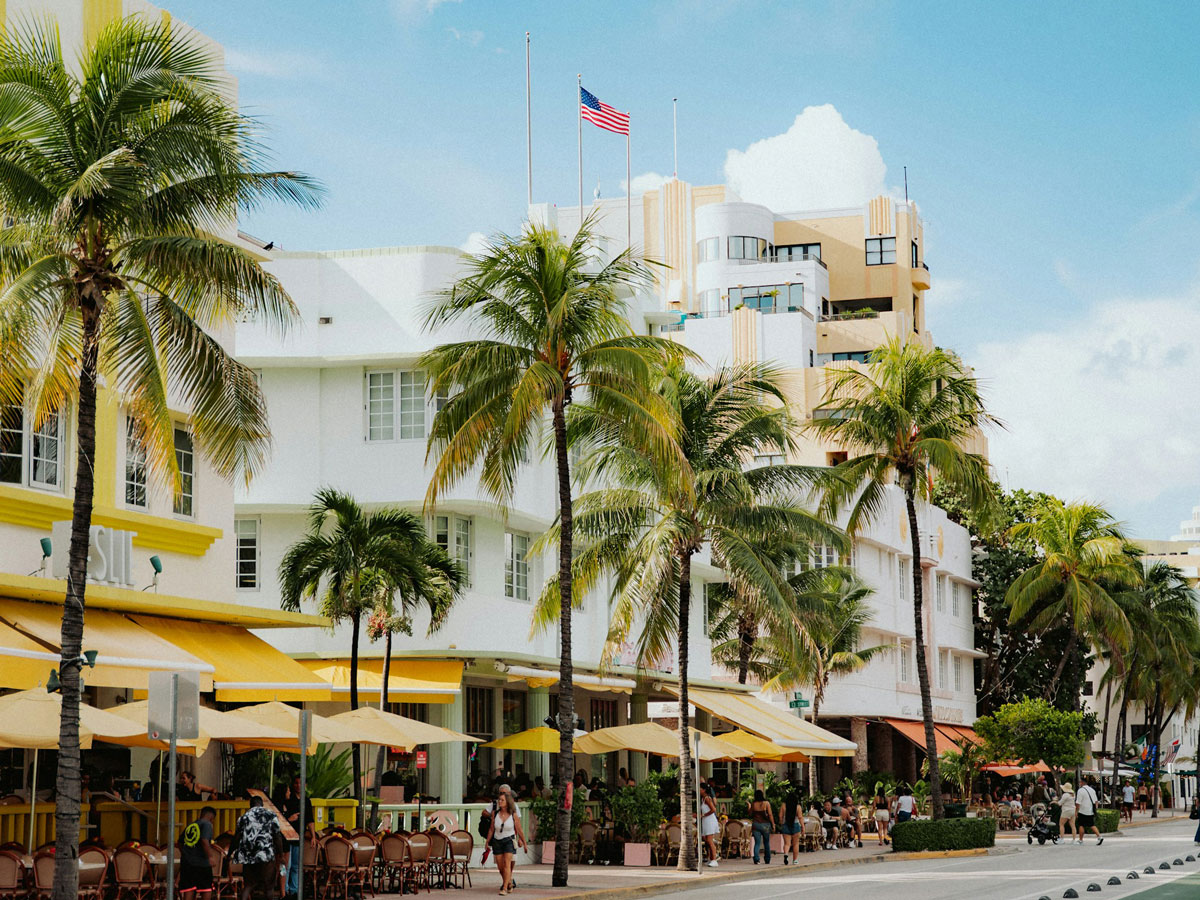
- Miami Beach (South Beach, Mid-Beach, North Beach) Iconic, vibrant, mixed-density. South Beach is high-energy. Mid- and North Beach are quieter and more family-feasible. Substantial range from $400K condos to $30M+ waterfront estates.
- Doral West of the airport, masterplanned, family-friendly, with a strong Latin American international community and meaningfully more accessible price points than the central neighborhoods.
- Aventura Northern Miami-Dade, condo-heavy, family-friendly, well-organized, with Aventura Mall as the commercial anchor.
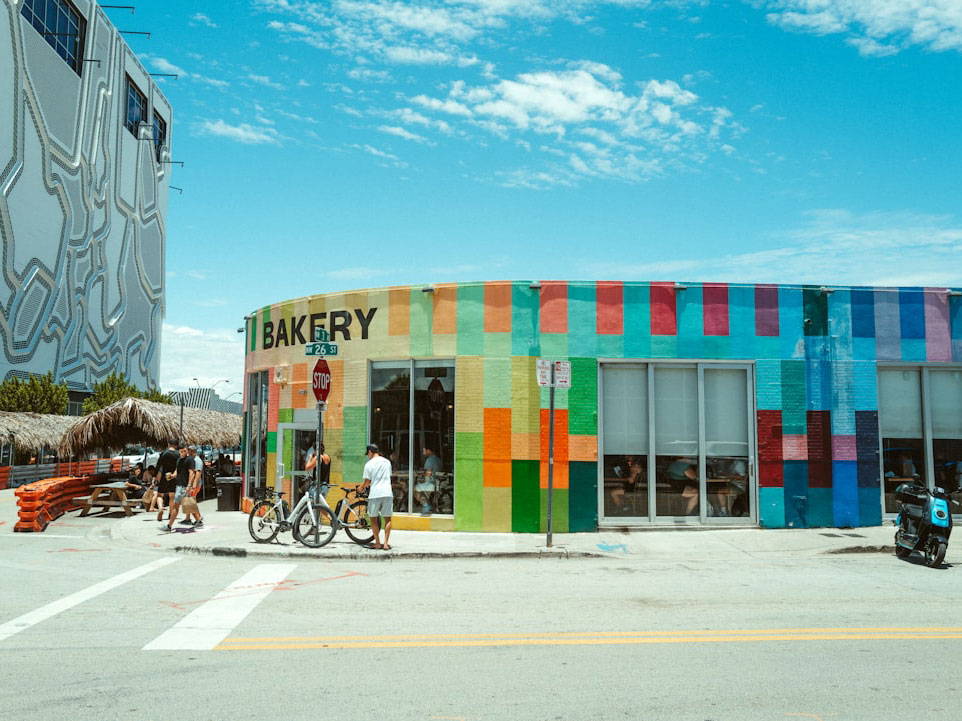
- Wynwood & Little Haiti Creative, urban, art-driven, increasingly residential. Best for design-, art-, and culture-oriented professionals comfortable with continued change.
If you're relocating without a clear neighborhood preference, the most practical approach is to rent for 6--12 months in two or three candidate areas before buying. Miami neighborhoods feel dramatically different in daily life, and the cost of a wrong purchase is much higher than the cost of a rental year.
The Housing Market Right Now
The May 2026 data tells a useful story for anyone planning a relocation:
- Total Miami-Dade home sales rose 7.9% year-over-year, the ninth consecutive month of growth.
- Single-family sales rose 10.5%, with months' supply at just 5.2, firmly a seller's market.
- Condo sales rose 5.4%, but with 12.9 months of supply, buyers have meaningful negotiating leverage in many condo segments.
- Sales of homes priced at $1 million and above climbed 14.7% year-over-year.
- 38.7% of all Miami sales were all-cash, significantly higher than the 25% national average.
For relocating buyers, the practical implication: single-family inventory in good neighborhoods is tight and competitive. If you find the right home, expect to move quickly. In the condo market, you have more time and more leverage, particularly in well-located buildings with strong fundamentals.
Insurance, Hurricanes, & What Nobody Warns You About
This is the section most relocation guides skip, and the one new residents most wish they had read in advance.
Hurricane Season Runs From June to November
Most years pass quietly. Some don't. Major hurricanes, Andrew in 1992, Irma in 2017, have shaped insurance markets, building codes, and the real estate market for decades. Post-1992 construction is engineered to withstand significant storms. Older properties are not necessarily.
Insurance Costs are a Major Factor
Florida property insurance has gone through significant turbulence over the past five years. Premiums for many properties have doubled or tripled. When evaluating a home purchase, get an insurance quote before you make an offer, not after. For older condo buildings, also evaluate the building's reserve study and recent special assessments, which can be substantial in the post-Surfside environment.
Flood Zones Matter
Properties in FEMA-designated flood zones carry significantly different insurance costs and risk profiles. Your agent should pull the flood zone designation on every property you seriously consider.
The Fannie Mae and Freddie Mac Update
Beginning August 3, 2026, Fannie Mae and Freddie Mac are eliminating the limited review option for many condo loans. This affects financing for many Florida condos and is worth understanding before making a condo offer if you'll be financing.
Schools, Jobs, & Getting Around
Schools
Miami-Dade has strong public school options, particularly in Coral Gables, Pinecrest, Palmetto Bay, and Key Biscayne, where neighborhood schools are typically the best in the county. Magnet programs add further options. The private school landscape is deep and competitive, with schools like Ransom Everglades, Carrollton, Gulliver Prep, and Belen Jesuit drawing significant waitlists. For families relocating mid-school-year, application timing matters considerably.
Jobs
Beyond the financial migration into Brickell, Miami's largest employment sectors include healthcare, international trade, tourism, real estate, technology, and a fast-growing professional services base. Remote workers represent a major share of recent inbound residents. PortMiami and Miami International Airport anchor enormous logistics and trade activity.
Getting Around
Miami is a car city. Public transit (Metrorail, Metromover, Brightline) covers some corridors well but is not a substitute for a car for most residents. Traffic is real, particularly on I-95, the Palmetto, and US-1 during commute hours. Brightline now connects Miami to Fort Lauderdale, West Palm Beach, and Orlando, a meaningful upgrade in regional mobility.
What Surprises Newcomers
A few things consistently catch new residents off-guard:
- The Heat & Humidity from June through September It's a different category than summer in the Northeast or Midwest. Plan outdoor activity for early morning or evening.
- Insurance Shock Discussed above, but worth emphasizing again. Budget for it early.
- HOA Fees on Condos Particularly after the Surfside-driven reserve requirements began phasing in.
- The Driving Culture Aggressive, fast, and not for the timid.
- The Pace of Life Slower than New York, faster than the Caribbean. Adjust your expectations either way.
- The Language Landscape Spanish is widely spoken throughout Miami-Dade, in many neighborhoods it's the dominant language of daily life. Newcomers who don't speak Spanish do fine, but those who do meaningfully accelerate their integration.
A Practical Relocation Timeline
For most relocating households, this sequence works well:
6 Months Out
Define your target neighborhoods. Identify your school timeline if you have children. Start engaging with a Miami real estate professional who knows your target areas. If you'll be financing, get pre-approved with a Florida lender familiar with condo lending rules.
3 to 4 Months Out
Visit Miami in person for 4--7 days. Tour neighborhoods, see schools, drive commutes at rush hour, eat in the areas you're considering. Narrow your shortlist.
1 to 2 Months Out
Decide whether to rent first (recommended for most relocators without strong neighborhood familiarity) or buy directly. If buying, expect inspection, insurance, and closing to take 30--45 days.
Move Month
Secure utilities, change driver's licenses (Florida requires this within 30 days of establishing residency), file the homestead exemption on your primary residence (a significant property tax benefit), and formally update your tax residency.
Conclusion
Miami in 2026 is one of the most consequential relocation destinations in the United States. The financial logic (no state income tax, strong real estate appreciation, corporate migration), the lifestyle logic (climate, culture, global connectivity), and the long-term capital story (wealth concentration, institutional inflows, structural demand) all point in the same direction.
But the right relocation is the one made with clear eyes. Choosing the right neighborhood, understanding insurance and climate realities, timing the housing market correctly, and structuring the move sensibly are what separate a successful relocation from an expensive lesson.
If you're considering moving to Miami and want to talk through neighborhoods, the housing market, or how to think about the transition specifically for your situation, I'm happy to help.
Sources and References
- MIAMI REALTORS® + RWorld: May 2026 Miami-Dade Statistical Report: http://www.SFMarketIntel.com
- MIAMI REALTORS® Research: Home equity, multifamily construction, and luxury market data (2025 Q4)
- U.S. Bureau of Labor Statistics: Miami metropolitan employment growth and wage data: https://www.bls.gov/regions/southeast/news-release/areaemployment_miami.htm
- Reuters, Citadel's relocation from Chicago to Miami (2022): https://www.reuters.com/business/hedge-fund-citadel-move-headquarters-miami-chicago-2022-06-23/
- WLRN, Palantir's relocation to Miami: https://www.wlrn.org/light/business/2026-02-17/palantir-miami-headquarters
- Freddie Mac, 30-year fixed mortgage rate, May 2026
- Florida Department of Revenue: Homestead exemption guidelines and Florida residency tax requirements
- Florida Department of Highway Safety and Motor Vehicles: Driver's license requirements for new residents
- Federal Emergency Management Agency (FEMA): Flood zone designations for South Florida

